Classic Notes: A Nostalgic Slab Serif Typeface
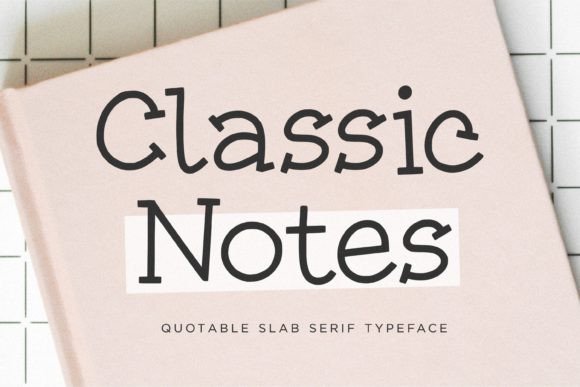
Fonts play a powerful role in shaping the tone and personality of any design. Whether you're creating a logo, designing a magazine layout, or crafting a book cover, the right typography can evoke emotions, tell stories, and connect with audiences on a deeper level. Classic Notes is a typewriter-style slab serif font that brings a touch of vintage charm to modern projects. Its design harks back to the golden age of analog writing, making it ideal for those who want to infuse their work with nostalgia and character.
The Unique Character of Classic Notes
What sets Classic Notes apart is its clean, bold structure combined with subtle imperfections that mimic the look of old typewriters. Each letter carries a slightly uneven texture and spacing — not by mistake, but by design — which gives it a warm, human feel. The slab serif elements add weight and readability, while the overall aesthetic remains simple enough to be used across various platforms without losing clarity.
This font isn’t just about looking retro; it's about feeling it. The visual cues are familiar — like the gentle curve of an "S" or the sharp corners of a "K" — but presented with a modern twist. It bridges the gap between the past and present, offering both authenticity and adaptability.
Why Choose Classic Notes?
- Vintage Aesthetic: Perfect for designs that aim to capture a retro vibe.
- High Readability: Despite its stylistic quirks, it maintains legibility even at smaller sizes.
- Versatile Use: Works well in print and digital formats alike.
- Emotional Connection: Evokes feelings of nostalgia and craftsmanship, helping to build brand personality or story depth.
Who Benefits from Using Classic Notes?
Whether you're a seasoned designer or just starting out, Classic Notes can enhance your creative output. Here’s how different professionals might find value in this typeface:
Branding and Marketing Professionals
For brands aiming to create a vintage or artisanal identity, Classic Notes can serve as a key element in visual storytelling. Think of a boutique coffee shop using this font for their signage and packaging — it instantly conveys a sense of tradition and quality. Similarly, marketers working on campaigns for heritage products or services can leverage this font to highlight authenticity and timelessness.
Bloggers and Content Creators
If your blog focuses on lifestyle, history, literature, or anything with a classic appeal, incorporating Classic Notes into headers, quotes, or pull-outs can make your content stand out. Its typewriter-like appearance adds a personal, handwritten feel that resonates with readers seeking more than just information — they’re looking for connection.
Book Authors and Publishers
When designing book covers or chapter headings, especially for historical fiction, poetry collections, or non-fiction with a literary flair, Classic Notes provides the perfect backdrop. The font helps set the scene before a single word is read, inviting readers into a world that feels both familiar and evocative.
Freelancers and Small Business Owners
Independent creators often need affordable yet impactful tools to elevate their work. This font offers a unique style that can help small businesses or freelancers establish a memorable brand identity without breaking the bank. From business cards to social media posts, Classic Notes can consistently reflect a desired vintage aesthetic.
Real-World Applications of Classic Notes
Let’s dive into some practical examples of how Classic Notes can be used in everyday design scenarios:
- Editorial Design: Use it for magazine headlines, newspaper articles, or zine layouts where a nostalgic tone fits the theme.
- Product Packaging: Apply it to labels for handmade goods, vintage-inspired merchandise, or artisanal food and drink items.
- Digital Media: Incorporate it into website headers, YouTube thumbnails, or Instagram banners to give them a timeless edge.
- Invitations and Stationery: Ideal for wedding invites, event posters, or greeting cards that aim for a classic, handcrafted look.
- Educational Materials: Teachers or educators can use it for classroom posters, lesson titles, or historical project displays.
One standout feature is how it pairs beautifully with other fonts. For instance, combining it with a sleek sans-serif for body text can balance its heavy presence and keep the design from becoming overwhelming. This makes it easy to integrate into existing branding systems or multi-layered designs.
Getting Started with Classic Notes
Using Classic Notes doesn’t require advanced typography skills. Most design software, such as Adobe Photoshop, Illustrator, Canva, or Figma, supports custom font installation. Once installed, you can experiment with size, color, and spacing to see what works best for your project.
Here’s a quick tip for beginners: when using this font in long paragraphs, consider pairing it with a lighter font for the body text. This keeps the reading experience smooth and prevents eye fatigue. However, for short bursts of text like quotes, logos, or headers, go ahead and let the font shine on its own.
Important Considerations Before Choosing Classic Notes
While Classic Notes is incredibly versatile, it’s important to understand when it might not be the best fit. Avoid using it in contexts that demand high-tech or futuristic aesthetics. Its charm lies in its analog roots, so it may clash with overly modern or minimalist designs.
Also, consider the audience. If your target demographic is younger and leans toward contemporary trends, this font might feel too niche. On the flip side, if your goal is to stand out with a vintage or crafty vibe, it could be exactly what you need.
Technical Compatibility and Licensing
Before downloading or purchasing Classic Notes, ensure it’s compatible with your operating system and design tools. Most reputable font providers offer cross-platform support for Windows, macOS, and web-based applications. Also, check the licensing terms — some fonts have restrictions on commercial use or require attribution depending on the source.
Classic Notes in the Modern Design Landscape
In today’s fast-paced digital world, there’s something comforting about slowing down and embracing the simplicity of analog design. Classic Notes does just that. It’s more than a font — it’s a nod to the days of typewritten letters, handwritten journals, and printed newspapers. By using it, you’re not only choosing a visual style, but also a narrative one.
Designers who appreciate minimalism and authenticity will find this font to be a valuable addition to their toolkit. Its slab serif base ensures it won’t fade into the background, while the typewriter-like nuances make it feel alive and intentional. Whether you're working on a personal project or a professional campaign, Classic Notes can help you communicate your message with a touch of warmth and history.
Where to Find and How to Use Classic Notes
Many online font marketplaces and design communities host Classic Notes. Look for trusted sources like Adobe Fonts, Google Fonts (if available), or independent designers' portfolios. Always verify the font’s legitimacy and licensing options before downloading.
Once you’ve added it to your collection, start experimenting. Try it in a few mockups to see how it interacts with images, colors, and other text styles. Remember, great design is about balance. Let Classic Notes anchor your design with character, but don’t forget to complement it with other elements that maintain harmony and usability.
Conclusion
Typography is more than just picking a pretty font — it’s about conveying the right mood and message. Classic Notes is a thoughtful choice for anyone wanting to blend vintage aesthetics with modern functionality. Its typewriter roots and slab serif strength make it a versatile option for a wide range of uses, from branding to editorial work.
So whether you're a marketer, educator, blogger, or hobbyist, take a moment to explore what this font can bring to your next project. Embrace the analog charm and let Classic Notes help you craft something truly timeless.